
Neuropsychologist Expert Witnesses for Personal Injury Cases
Traumatic brain injury, cognitive deficits, and psychological sequelae are invisible injuries. A neuropsychologist makes them measurable, documented, and impossible to dismiss.
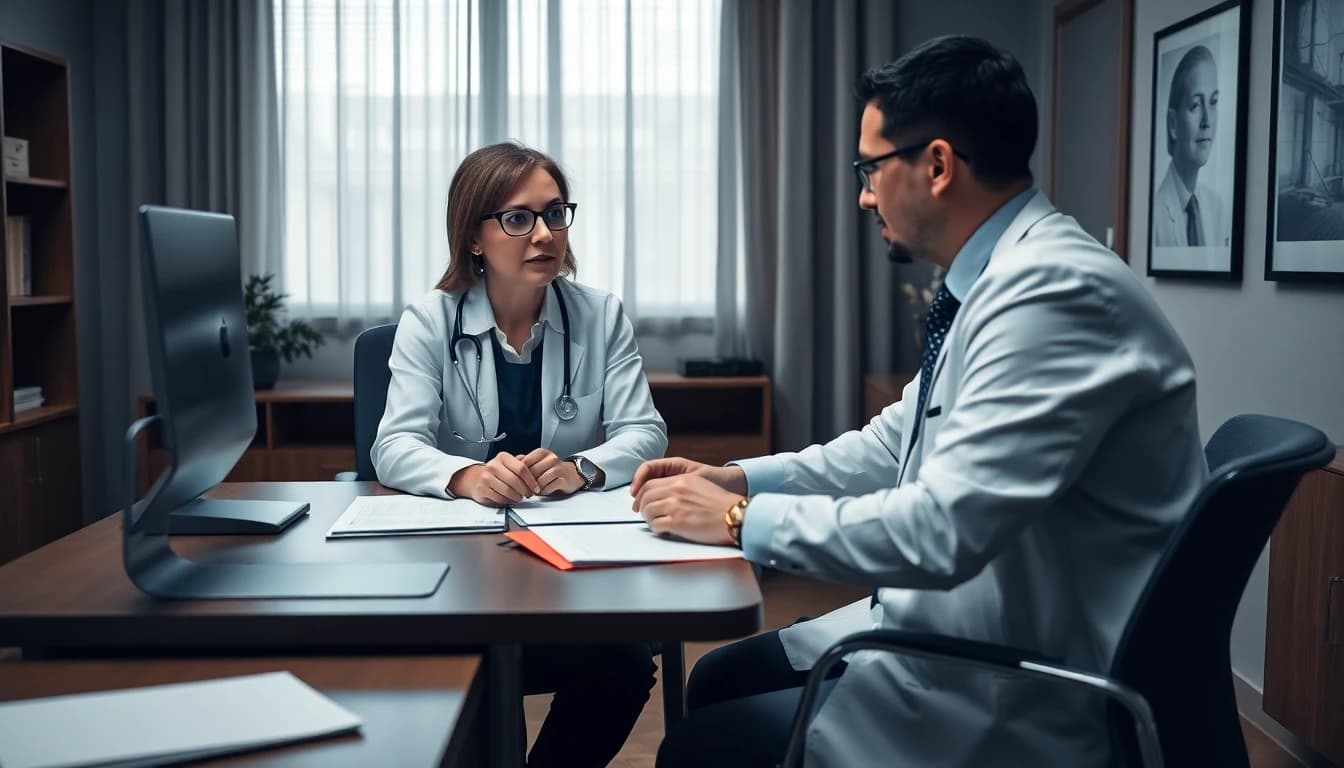
Neuropsychologist expert witnesses are among the most important — and most contested — experts in traumatic brain injury litigation. Through standardized cognitive testing, behavioral assessment, and clinical interview, they establish the nature, severity, and functional impact of brain injuries and psychological conditions caused by personal injury events. In TBI cases, post-concussion syndrome claims, and cases involving significant emotional or cognitive sequelae, a well-credentialed neuropsychologist can provide the objective testing data that transforms a "soft" brain injury claim into a documented, measurable, and compelling damages case. PI Expert Network works with board-certified neuropsychologists who specialize in forensic assessment and are experienced testifying in adversarial proceedings.
What is a neuropsychologist expert witness?
A neuropsychologist is a doctoral-level psychologist (PhD or PsyD) who specializes in the relationship between brain function and behavior. A neuropsychologist expert witness conducts comprehensive neuropsychological evaluations — standardized batteries of cognitive tests measuring memory, attention, processing speed, executive function, language, and visuospatial abilities — and provides expert opinions on how a brain injury or neurological condition has affected the plaintiff's cognitive and psychological functioning. Their testing provides objective, quantifiable data on functional impairment that goes beyond subjective symptom reporting and gives the jury a measurable foundation for non-economic and economic damages.
When do you need a neuropsychologist expert witness?
Traumatic brain injury cases
Whether mild, moderate, or severe TBI, neuropsychological testing documents the cognitive deficits that result from brain trauma and establishes their impact on the plaintiff's ability to work, manage daily life, and maintain relationships — the functional translation of a brain injury into real-world consequences.
Post-concussion syndrome
Mild TBI and concussion with persistent symptoms are frequently disputed by defense teams who argue symptoms are exaggerated or psychogenic. A neuropsychologist's objective test data — showing measurable cognitive deficits consistent with the reported symptoms — is the most powerful rebuttal to these arguments.
Psychological sequelae of physical injury
PTSD, major depression, anxiety disorders, and adjustment disorders frequently accompany serious physical injuries. A neuropsychologist can document the psychological conditions, establish their causal relationship to the traumatic event, and quantify their functional impact.
Rebutting defense neuropsychological evaluations
Defense teams routinely retain neuropsychologists who use validity testing to challenge the credibility of the plaintiff's performance, arguing symptom exaggeration or malingering. A plaintiff-side neuropsychologist can review the defense evaluation and address these challenges with their own independent assessment.
What to look for in a neuropsychologist expert witness
ABPP-CN board certification in clinical neuropsychology
Board certification through the American Board of Professional Psychology in Clinical Neuropsychology (ABPP-CN) is the gold standard credential. It requires postdoctoral training, supervised practice, and examination — and is the most defensible qualification in court.
Postdoctoral fellowship in neuropsychology
A two-year postdoctoral fellowship in neuropsychology is the training standard. Experts without formal fellowship training are more vulnerable to qualification challenges, particularly in federal court under Daubert.
Forensic neuropsychology experience
Clinical neuropsychology and forensic neuropsychology involve different skill sets. Forensic specialists understand validity testing, effort assessment, the base rate of symptom reporting, and the specific challenges of adversarial evaluation. Look for experts with documented forensic caseloads.
Experience with your plaintiff's injury type and age group
Pediatric TBI, sports-related concussion, geriatric cognitive assessment, and occupational brain injury all involve specialized populations and test norms. Match the expert's clinical background to your plaintiff's demographic and injury type.
How PI Expert Network finds your neuropsychologist expert
You submit your case
Tell us the case type, jurisdiction, and what you need from the neuropsychologist expert. Takes 2 minutes. No login, no cost.
We hand-match
Our team personally reviews your case and selects 2–3 vetted neuropsychologist experts whose credentials, experience, and geographic availability fit your specific facts.
You review and connect
You receive a private shortlist with full credentials, CV, and fee schedule. Choose your expert and we make the direct introduction. No middlemen after that.
About PI Expert Network
PI Expert Network is a concierge expert witness matching service for personal injury attorneys. We are based in Phoenix, AZ and operate exclusively in the personal injury space. Every expert in our network has been personally interviewed by our founder, credentials-verified, and approved before receiving any case referral. We do not run a directory — we hand-match every single case. Our service is free for attorneys. Contact us at charlie@piexpertnetwork.com or (480) 697-2727.
Frequently asked questions
What tests does a neuropsychologist use in a PI evaluation?
A comprehensive neuropsychological battery in a personal injury case typically includes: intelligence testing (WAIS-IV), memory assessment (WMS-IV, CVLT-3), attention and processing speed tests (CPT-3, WAIS Processing Speed Index), executive function measures (WCST, D-KEFS), and psychological assessment (MMPI-3, PAI). Critically, it also includes performance validity tests (PVT) and symptom validity tests (SVT) to assess effort and response validity — data that is central to defending against malingering allegations.
How does a neuropsychologist address malingering allegations?
Malingering is the single most common attack on neuropsychological testimony. Experienced forensic neuropsychologists administer multiple embedded and standalone validity measures throughout the evaluation. When results are valid, the expert can present statistical data showing the plaintiff's performance falls within expected ranges for genuine impairment. A well-documented validity protocol substantially neutralizes the malingering attack.
Can a neuropsychologist establish that a TBI was caused by a specific accident?
A neuropsychologist can establish that the cognitive profile is consistent with a traumatic brain injury mechanism and that the onset of deficits is temporally related to the accident. However, the neurological diagnosis (TBI) is typically established by a neurologist or physician, and the neuropsychologist's role is to document the cognitive and functional consequences of that injury. The two experts work in tandem.
What is the difference between a neuropsychologist and a neurologist in a TBI case?
A neurologist is a physician who diagnoses neurological conditions — including TBI — through clinical examination, medical history, and imaging findings. A neuropsychologist is a psychologist who measures the functional cognitive consequences of neurological injury through standardized testing. In TBI litigation, you often need both: the neurologist establishes the injury; the neuropsychologist documents what it took from the plaintiff.
How much does a neuropsychologist expert witness cost?
Neuropsychological evaluations for litigation typically cost $3,000–$8,000 for a comprehensive evaluation including testing, scoring, report preparation, and feedback session — a fixed project fee rather than hourly. Deposition and trial testimony is typically billed at $300–$600 per hour. The evaluation cost is often offset by the strength it adds to a TBI damages case.
Experts commonly retained alongside a neuropsychologist
When your case turns on causation, standard of care, or future medical needs, the right physician expert witness can make or break your outcome.
A life care plan translates a catastrophic injury into a dollar figure. The quality of that document — and the expert behind it — directly determines the damages your client can recover.
The defense reads your client's MRI and says it shows nothing significant. A radiologist expert witness can tell a completely different story — one grounded in the imaging itself.
Find your neuropsychologist expert witness today.
Free for attorneys. Vetted and delivered quickly. No commitment required.