
Neurologist Expert Witnesses for Personal Injury Cases
TBI, nerve damage, spinal cord injuries, and chronic pain syndromes all require a neurologist to diagnose, document, and defend the neurological impact of your client's injuries.
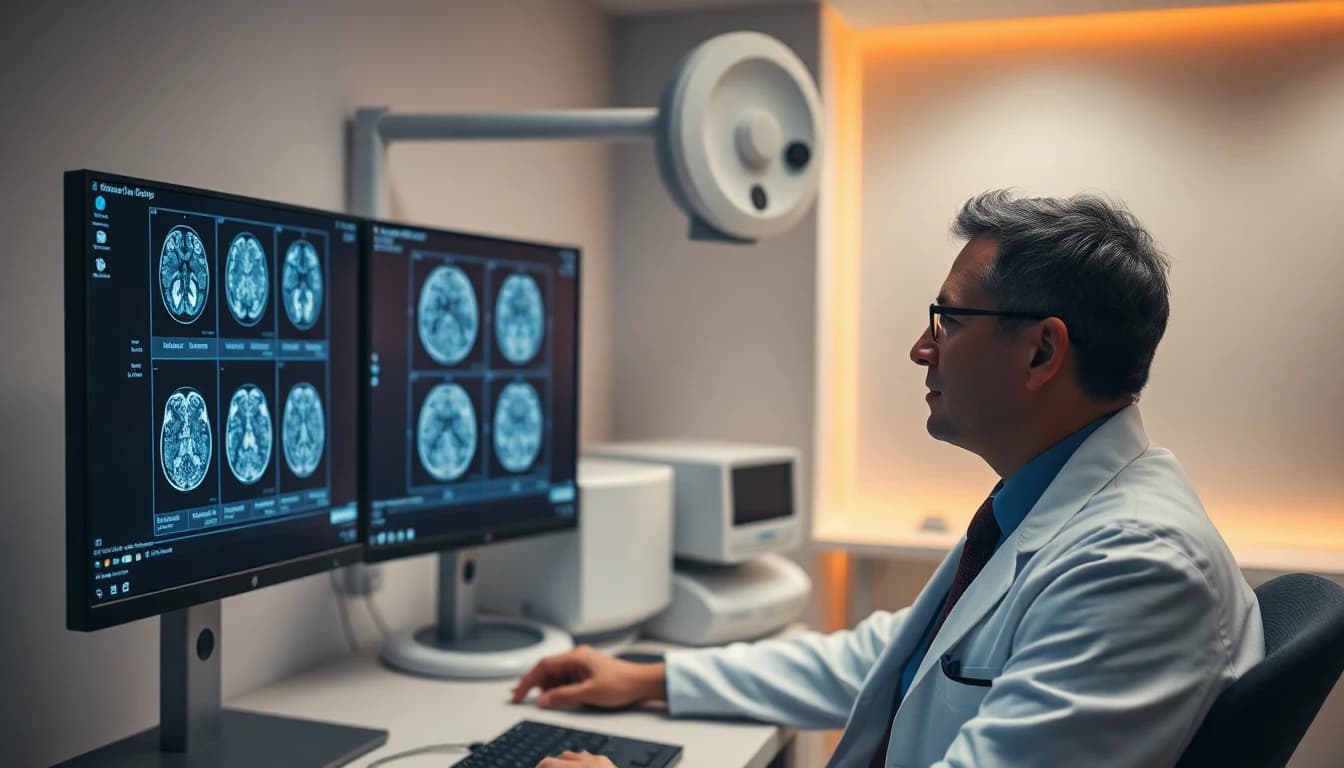
Neurologist expert witnesses are critical in personal injury cases involving brain injuries, spinal cord damage, peripheral nerve injuries, and neurological conditions caused by trauma. From establishing the existence and severity of a traumatic brain injury to documenting nerve damage following a crush injury, neurologists provide the clinical foundation for some of the most significant damages claims in PI litigation. PI Expert Network works with board-certified neurologists who have active clinical practices, subspecialty fellowship training in relevant areas, and documented experience providing expert opinions in adversarial proceedings.
What is a neurologist expert witness?
A neurologist expert witness is a board-certified physician specializing in the diagnosis and treatment of disorders of the nervous system — brain, spinal cord, peripheral nerves, and related structures. In personal injury litigation, neurologists are retained to opine on: whether a traumatic brain injury occurred and its severity, whether nerve damage or radiculopathy is causally related to the accident mechanism, the neurological significance of spinal cord injuries, the prognosis and permanency of neurological conditions, and the functional consequences of neurological impairment on the plaintiff's daily life and work capacity. Their testimony is often the medical cornerstone in TBI, spinal cord injury, and chronic pain cases.
When do you need a neurologist expert witness?
Traumatic brain injury cases
TBI ranging from mild concussion with persistent post-concussion syndrome to severe TBI with lasting cognitive and motor deficits requires neurological expertise to diagnose, document, and defend. A neurologist establishes the injury, correlates it to imaging findings, and opines on prognosis and permanency — the clinical foundation for the entire TBI damages case.
Spinal cord and nerve injuries
Spinal cord injuries, cervical and lumbar radiculopathy, and peripheral nerve injuries — including brachial plexus injuries and complex regional pain syndrome (CRPS) — require a neurologist to establish the neurological diagnosis and connect it to the accident mechanism through clinical examination and electrodiagnostic testing.
Chronic pain and neurological sequelae
Conditions such as CRPS, post-traumatic headaches, and neuropathic pain syndromes are frequently challenged by defense teams. A neurologist's diagnosis and clinical documentation of these conditions provides the medical authority to support these often-disputed and high-value claims.
Standard of care disputes involving neurological care
When a plaintiff's neurological condition was allegedly mismanaged or undertreated by a treating neurologist or neurosurgeon, a peer-level expert is needed to define the standard of care and evaluate whether it was met or breached in the clinical record.
What to look for in a neurologist expert witness
ABPN board certification
American Board of Psychiatry and Neurology (ABPN) certification is the credential standard. Subspecialty certification in clinical neurophysiology, neurocritical care, headache medicine, or vascular neurology signals additional depth relevant to specific case types and strengthens credibility under qualification challenges.
Active clinical practice
A neurologist who still sees patients — particularly those with trauma-related neurological conditions — brings current clinical knowledge to their opinions. Active practitioners are more credible to juries and more difficult to impeach on clinical currency than those primarily doing medicolegal work.
EMG/NCS expertise
Electromyography (EMG) and nerve conduction studies (NCS) are central to documenting radiculopathy and peripheral nerve injuries in PI cases. A neurologist experienced in both performing and interpreting these studies provides more authoritative testimony on nerve injury documentation than one who relies on referrals for electrodiagnostics.
TBI subspecialty experience
TBI cases benefit from a neurologist with specific experience in concussion, post-concussion syndrome, and traumatic brain injury — ideally with clinical ties to a brain injury program or concussion clinic. This expertise is especially important in mild TBI cases where the injury mechanism and symptom pattern are contested.
How PI Expert Network finds your neurologist expert
You submit your case
Tell us the case type, jurisdiction, and what you need from the neurologist expert. Takes 2 minutes. No login, no cost.
We hand-match
Our team personally reviews your case and selects 2–3 vetted neurologist experts whose credentials, experience, and geographic availability fit your specific facts.
You review and connect
You receive a private shortlist with full credentials, CV, and fee schedule. Choose your expert and we make the direct introduction. No middlemen after that.
About PI Expert Network
PI Expert Network is a concierge expert witness matching service for personal injury attorneys. We are based in Phoenix, AZ and operate exclusively in the personal injury space. Every expert in our network has been personally interviewed by our founder, credentials-verified, and approved before receiving any case referral. We do not run a directory — we hand-match every single case. Our service is free for attorneys. Contact us at charlie@piexpertnetwork.com or (480) 697-2727.
Frequently asked questions
What is the difference between a neurologist and a neuropsychologist in a TBI case?
A neurologist is a physician who diagnoses the neurological injury — the TBI itself — through clinical examination, imaging review, and electrodiagnostic testing. A neuropsychologist is a doctoral psychologist who measures the functional cognitive consequences of that injury through standardized testing. In significant TBI cases, you typically need both: the neurologist establishes what happened neurologically; the neuropsychologist documents what the plaintiff can no longer do cognitively.
Can a neurologist diagnose traumatic brain injury without positive imaging?
Yes — and this is a critical point in mild TBI cases. Mild TBI and post-concussion syndrome are clinical diagnoses based on injury mechanism, symptom onset, and clinical examination. Standard MRI and CT are frequently normal in mild TBI. A neurologist can diagnose and document TBI based on clinical criteria even when imaging is negative, and can explain to a jury why negative imaging does not mean there was no injury.
What is CRPS and how does a neurologist establish it?
Complex Regional Pain Syndrome (CRPS) is a chronic neurological pain condition that can develop following trauma. It is diagnosed using the Budapest Criteria — a standardized clinical diagnostic framework. A neurologist with CRPS experience can establish the diagnosis, connect it to the trauma, and document the significant functional impact. CRPS is frequently disputed by defense teams, making a credentialed neurologist essential to sustaining these often high-value claims.
Can a neurologist opine on the cause of a spinal cord injury?
Yes — neurologists are well-qualified to opine on the mechanism and causation of spinal cord injuries, particularly when interpreting clinical and imaging findings. For biomechanical causation (how the forces of the accident produced the injury), collaboration with an accident reconstructionist or biomechanical engineer strengthens the overall causation picture by providing the engineering underpinning for the neurological opinion.
How much does a neurologist expert witness cost?
Neurologist expert fees typically range from $500 to $1,200 per hour for record review, report preparation, deposition, and trial testimony. Subspecialists in neurocritical care, TBI medicine, or neurophysiology may command higher rates. PI Expert Network provides full fee schedules before you engage so you can assess case economics upfront.
Experts commonly retained alongside a neurologist
Traumatic brain injury, cognitive deficits, and psychological sequelae are invisible injuries. A neuropsychologist makes them measurable, documented, and impossible to dismiss.
Spine injuries, fractures, torn ligaments, and joint damage are the backbone of PI damages. An orthopedic surgeon expert witness delivers the clinical authority that turns those injuries into recoverable damages.
When your case centers on functional disability, chronic pain, and long-term rehabilitation needs, a physiatrist translates medical impairment into the real-world limitations that drive your client's damages.
Find your neurologist expert witness today.
Free for attorneys. Vetted and delivered quickly. No commitment required.